



-
 A/C System
-
 0 Comments
Keep Your A/C System Running Strong in Gahanna, OH
Schedule Service Before Ohio’s Heat Arrives
Timing your cooling system service correctly makes all the difference when summer heat arrives in Gahanna. The ideal window for scheduling preventive care falls between late March and early May, before temperatures climb into the upper 80s and low 90s that characterize June through August in central Ohio. During this critical pre-season period, technicians can identify worn components, verify electrical connections, and confirm that your unit is ready to handle the sustained workload ahead.
Homeowners who wait until the first heat wave often face longer wait times and the inconvenience of living without cooling during peak demand periods. In our service area, humidity levels frequently reach 70 percent or higher during July and August, placing additional strain on air conditioning equipment that must work harder to remove moisture from indoor air. A well-timed inspection allows you to address minor issues such as capacitor degradation or blower motor wear before they escalate into costly emergency repairs during the hottest weeks of the year.
Preparing your cooling equipment in spring also gives you leverage to plan any necessary repairs or upgrades on your schedule rather than during a crisis. When you invest in proactive service, you protect your family’s comfort and avoid the premium pricing that often accompanies emergency calls. Schedule your appointment early to secure convenient service dates and ensure your home stays cool all season long.
Change Filters to Protect Efficiency and Air Quality
Air filter replacement represents one of the simplest yet most impactful tasks you can perform to maintain cooling performance and indoor air quality. Standard one-inch pleated filters should be replaced every 30 to 60 days during the cooling season, while higher-efficiency media filters may last three to six months depending on household conditions. Homes with pets, high occupancy, or residents with respiratory sensitivities benefit from more frequent changes to prevent dust and allergen buildup that restricts airflow and forces your equipment to work harder.
In the Gahanna area, pollen counts spike during spring and early summer, and outdoor air quality challenges increase the load on filtration systems. A clogged filter reduces airflow across the evaporator coil, which decreases cooling capacity and can cause the coil to freeze. Reduced airflow also forces the blower motor to consume more electricity, driving up monthly utility costs without delivering the comfort you expect. Checking your filter monthly and replacing it as needed ensures consistent airflow and protects sensitive components from dust accumulation.
Selecting the right filter type also matters. MERV ratings between 8 and 12 offer effective filtration for most residential applications without creating excessive resistance that strains your blower motor. Avoid filters with ratings higher than your system is designed to handle, as this can lead to reduced performance and premature wear. Maintaining clean filters is a straightforward step that pays dividends in lower energy bills, better indoor air quality, and extended equipment lifespan. If you are uncertain which filter type best suits your home, professional guidance can help you make an informed choice.
Verify Refrigerant Levels for Optimal Performance
Refrigerant serves as the lifeblood of your cooling system, absorbing heat from indoor air and releasing it outdoors to maintain comfortable temperatures inside your home. When refrigerant levels fall below the manufacturer’s specification, your unit cannot transfer heat effectively, resulting in reduced cooling capacity, longer run times, and higher energy consumption. Low refrigerant typically indicates a leak somewhere in the system, which must be located and repaired before adding new refrigerant to restore proper operation.
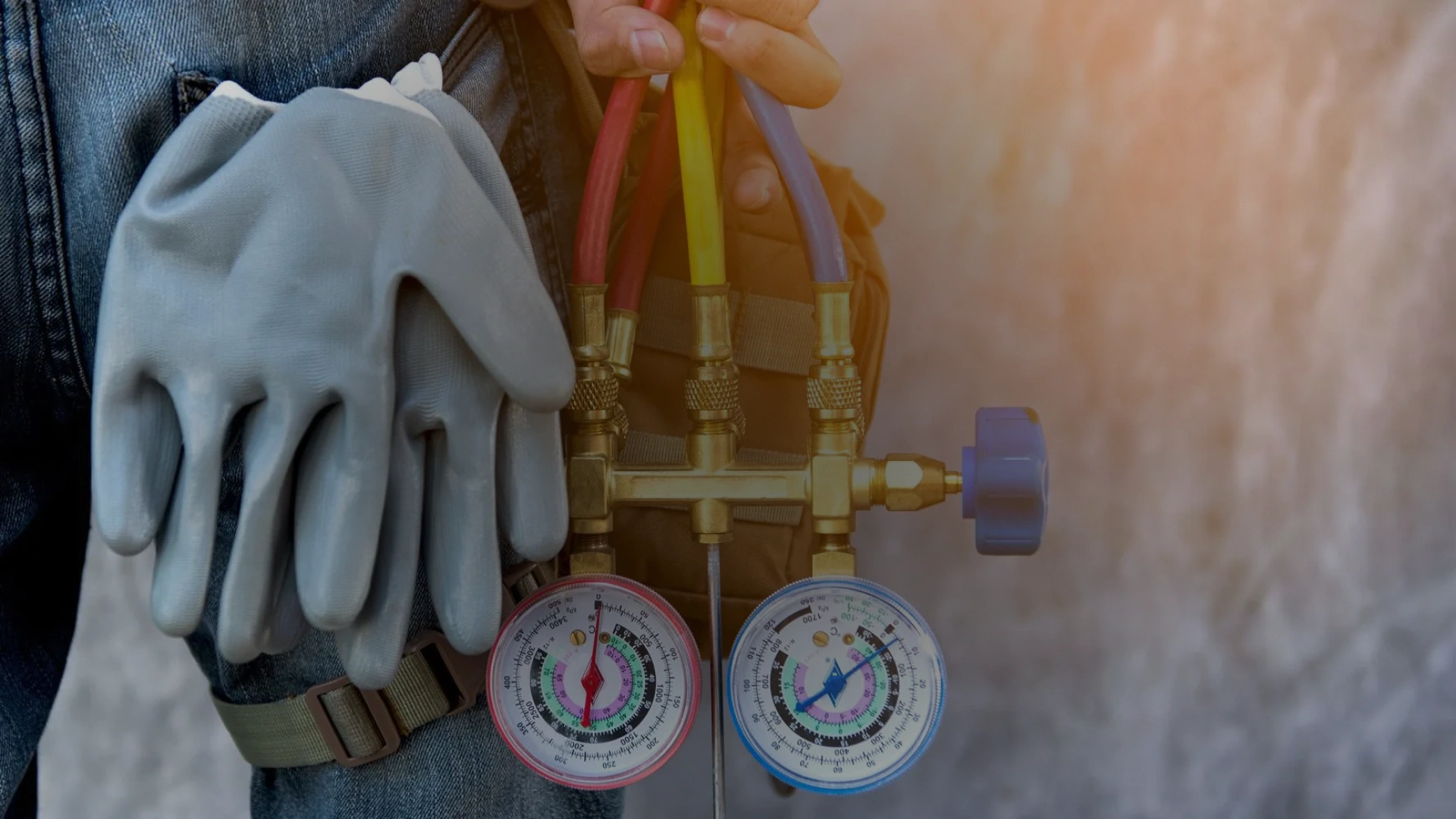
During routine service visits, trained technicians measure suction and discharge pressures, compare them against design specifications, and calculate subcooling or superheat values to determine whether the system holds the correct charge. These diagnostic tests require specialized gauges and knowledge of thermodynamic principles that go beyond basic homeowner maintenance. In central Ohio’s climate, where cooling equipment operates under high ambient temperatures and humidity for extended periods each summer, even a small refrigerant leak can lead to compressor damage or complete system failure if left unaddressed.
Homeowners sometimes notice symptoms such as ice forming on refrigerant lines, warm air blowing from supply vents, or hissing sounds near the outdoor unit. These signs warrant immediate professional evaluation to prevent further damage and restore efficient operation. Refrigerant handling is also regulated by federal law due to environmental concerns, so only certified technicians should perform leak detection, repair, and recharging procedures. Addressing refrigerant issues promptly protects your investment and ensures reliable cooling when you need it most. Learn more about repair services that restore proper refrigerant levels and system performance.
Adjust Settings to Maximize Summer Efficiency
Your thermostat controls when and how long your cooling equipment runs, making it a critical factor in both comfort and energy efficiency. Setting your thermostat to 78 degrees Fahrenheit when you are home provides a balance between comfort and reasonable energy consumption during Gahanna’s hot summer months. Each degree you raise the setpoint above 72 degrees can reduce cooling costs by approximately 3 to 5 percent, delivering meaningful savings over the course of a full cooling season without sacrificing livability.
Programmable and smart thermostats allow you to create schedules that automatically adjust temperatures based on occupancy patterns. Raising the setpoint by 7 to 10 degrees while you are at work or away for extended periods prevents your system from cooling an empty home, reducing runtime and wear on components. Many homeowners in our service area report monthly savings of 10 to 15 percent after implementing setback schedules that align with their daily routines. Smart thermostats also provide usage reports and maintenance reminders that help you stay proactive about filter changes and professional service appointments.
Thermostat placement also affects performance. Units installed on exterior walls, near windows, or in direct sunlight may read artificially high temperatures and cause your system to run longer than necessary. Relocating a poorly placed thermostat to an interior wall away from heat sources and drafts ensures accurate temperature readings and more efficient operation. If your current thermostat is outdated or malfunctioning, upgrading to a programmable or smart model represents a cost-effective improvement that enhances comfort and reduces energy waste. Professional installation ensures proper wiring and configuration for reliable performance year after year.
Know When to Schedule a Technician Visit
Annual professional inspections form the foundation of a reliable cooling system that operates efficiently throughout Ohio’s demanding summer season. Scheduling a thorough evaluation each spring allows trained technicians to measure airflow, test electrical components, inspect condensate drainage, clean coils, and verify that all safety controls function properly. This proactive approach identifies developing problems before they cause breakdowns during peak demand periods when you depend most on uninterrupted cooling.
During a typical service visit, technicians check refrigerant pressures, measure voltage and amperage at motors and compressors, lubricate moving parts where applicable, and tighten electrical connections that may have loosened due to vibration. They also inspect ductwork for leaks that waste conditioned air and examine insulation on refrigerant lines to prevent efficiency losses. In the Columbus area, where cooling equipment often runs continuously for weeks during heat waves, these detailed inspections catch issues such as capacitor degradation, contactor wear, and blower motor bearing failure before they lead to costly emergency repairs or complete system replacement.
Homeowners with aging equipment, units that have shown declining performance, or systems that have not received professional service in over a year should prioritize scheduling an inspection promptly. Unusual sounds, inconsistent cooling, rising energy bills, and frequent cycling all signal underlying issues that warrant professional evaluation. Regular service visits not only extend equipment lifespan but also preserve manufacturer warranties that often require documented annual maintenance. By partnering with qualified professionals who understand local climate conditions and equipment performance requirements, you ensure your home remains comfortable and your investment is protected. Find service options in your area to get started with professional care tailored to your specific needs.
